 Daily New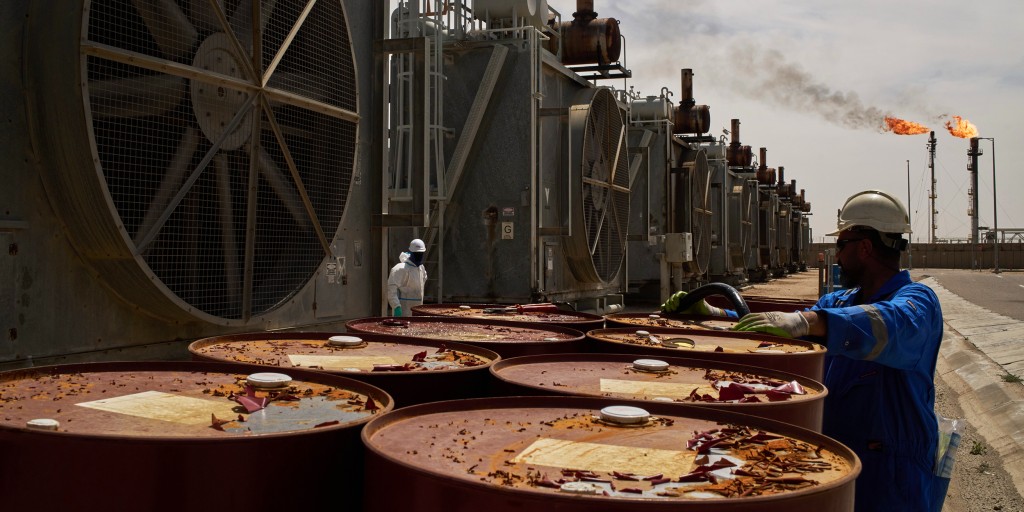
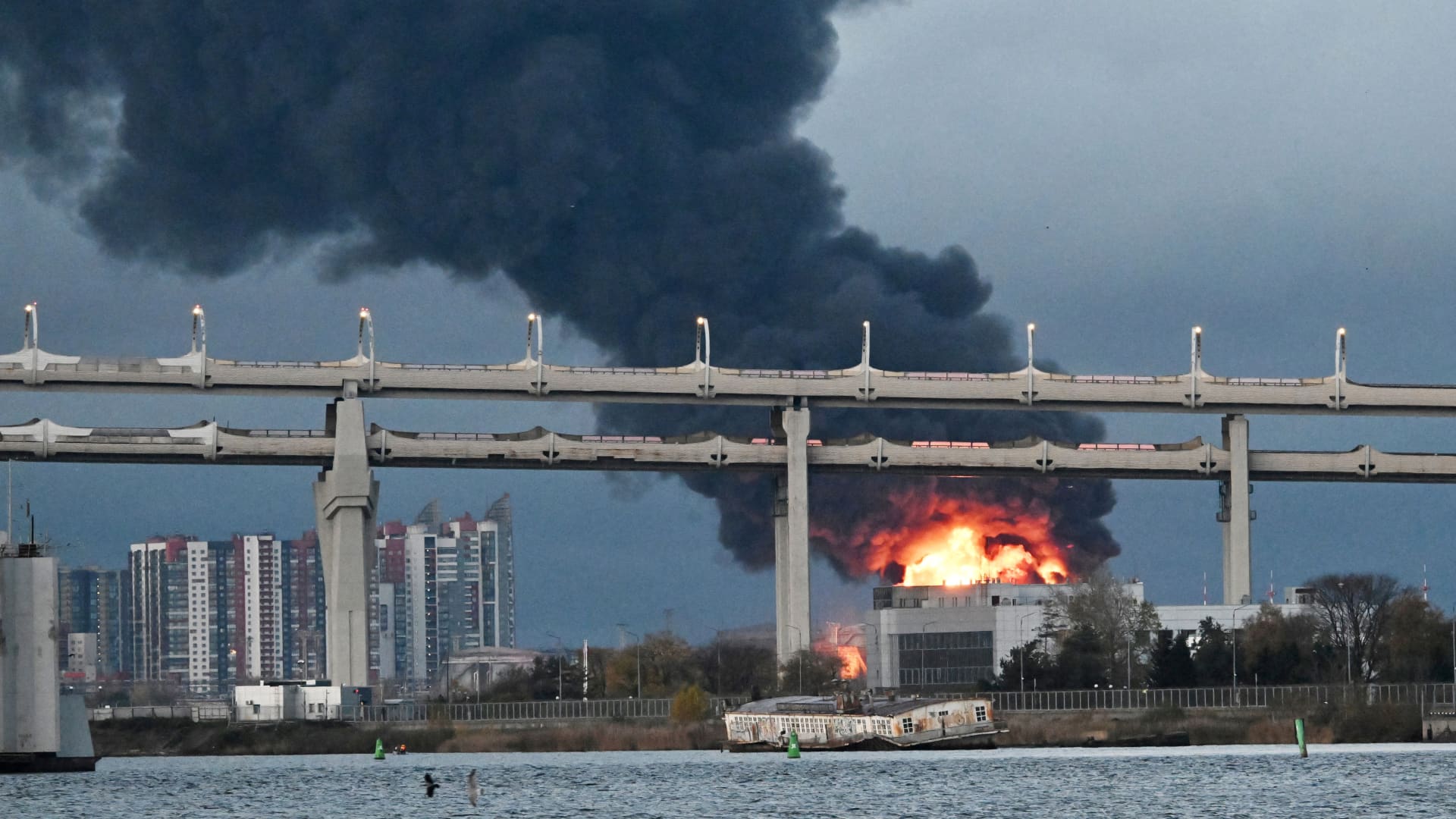
The price of oil breached the $100 threshold on Wednesday for the first time in months, as new flare-ups in the U.S. war with Iran stoked fresh concern for global energy markets. The spike came a day after the U.S. military destroyed five Iranian tankers, part of a ‘multibillion-dollar shadow network’ funding Iran’s Revolutionary Guard and regional proxies. Tehran responded with attacks on U.S. ships and a base in Jordan, marking the latest escalation in a conflict that remains unresolved after months of disruption.
Brent crude rose above $100 before dipping just below that level. While about 40 percent higher than pre-war levels, Brent was still below the $120 peak seen early in the war. West Texas Intermediate Crude also rose to around $95 a barrel.
These prices concern the White House and Republicans ahead of the Midterm elections, with consumers facing higher gas prices at $4.22, the highest since early June. Oil exports from the Middle East have dwindled since the U.S. and Israel’s war against Iran began in February. The Strait of Hormuz, a key waterway, has been throttled by Tehran, though the U.S. has partially restored shipping.
Meanwhile, Houthi rebels in Yemen have attacked tankers in the Red Sea, and this week they targeted Saudi energy facilities, setting oil sites ablaze. President Donald Trump claimed on social media that oil prices would drop sharply if Iran were defeated, predicting as low as two dollars a gallon. However, no resolution or price drop was evident, and recent flare-ups suggest the conflict remains volatile.
Source: NBC News